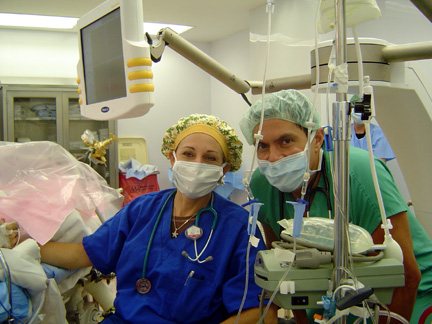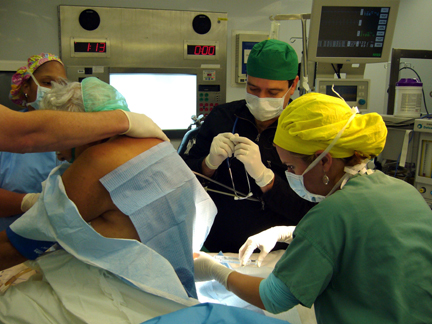
The Department of Anesthesiology at the University of Puerto Rico, School of Medicine, is comprised of specialized divisions dedicated to excellence in patient care, education, and research. Each division works collaboratively to ensure safe, compassionate, and evidence-based care across all clinical settings.


Divisions:

Neuroanesthesiology

As the principal referral center for neurosurgical care in Puerto Rico, the University of Puerto Rico Medical Sciences Campus’ Medical Center offers residents exceptional exposure to a diverse range of complex and advanced neurosurgical cases. This environment provides our residents comprehensive, hands-on experience in both adult and pediatric neurosurgery. 

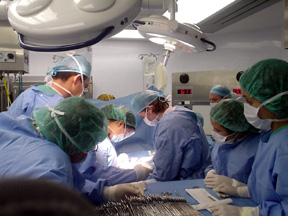
The neuroanesthesia service is led by two full-time, fellowship-trained, board-certified neuroanesthesiologists dedicated to guiding residents through advanced perioperative management. The ASEM main operating suite houses four dedicated neurosurgical operating rooms and two neuroendovascular suites, while the Pediatric University Hospital reserves an operating room twice weekly for scheduled pediatric neurosurgical procedures. 

Residents are actively involved in a broad array of neurosurgical interventions, including aneurysm clippings, hematoma evacuations, posterior fossa and pituitary tumor resections, tethered cord releases, craniosynostosis repairs, AVM embolizations, lumbar laminectomies, spinal fusions, and other spine-related surgeries. Training emphasizes the management of elevated intracranial pressure, intraoperative neuromonitoring, and cerebral protection strategies. 

Alongside their clinical work, residents may engage in research projects that explore neurosurgical anesthesia outcomes, perioperative monitoring techniques, and other topics relevant to advancing patient care. 

We are committed to delivering a rigorous yet supportive training experience that equips residents with the expertise, judgment, and academic foundation needed for excellence in neuroanesthesia practice. 
Pediatric Anesthesiology

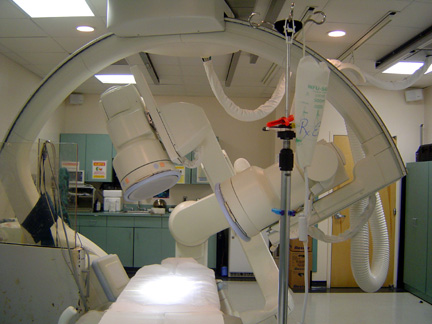
The pediatric operating rooms are housed within the University of Puerto Rico’s Pediatric Hospital, the sole pediatric surgical referral center serving Puerto Rico and the broader Caribbean region. This high-volume, tertiary care facility provides the full spectrum of pediatric surgical services, ranging from highly complex operations to same-day procedures. 

Our residency program offers exposure to the complete range of pediatric surgical subspecialties, including general and neonatal surgery, otolaryngology, urology, gynecology, orthopedic surgery, ophthalmology, oral and maxillofacial surgery, plastic surgery, and neurosurgery. Pediatric cardiovascular procedures are performed at the adjacent Puerto Rico Cardiovascular Center, further broadening clinical experience. 

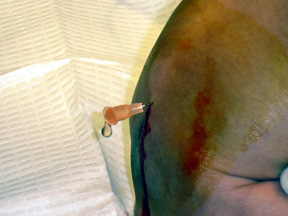
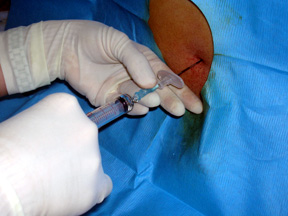
Residents receive comprehensive, hands-on training in pediatric anesthesia techniques, such as advanced airway management utilizing cutting-edge devices and fiberoptic technology, central venous and arterial catheter placement, caudal and epidural blockade, and neonatal spinal anesthesia. This ample range of procedural exposure ensures proficiency in managing pedriatric patients across a wide range of surgical and perioperative scenarios. 

Our primary mission is to equip residents with the clinical knowledge, procedural expertise, and critical decision-making skills required to deliver safe, effective, and state-of-the-art pediatric anesthesia care. Graduates of the program will be well-prepared to meet the complex demands of pediatric perioperative medicine in any practice setting. 


Interventional Pain Management

The Acute Pain Management Service at the University of Puerto Rico School of Medicine, Department of Anesthesiology, was established in 2005 and operates 24/7 to provide specialized perioperative pain care across surgical and non-surgical services. Residents gain hands-on experience through consult-based management of acute postoperative pain, chronic opioid therapy, and cancer-related pain in both inpatient and peri-discharge settings. 

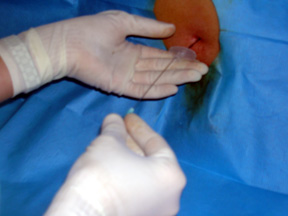
Training encompasses a full spectrum of evidence-based analgesic techniques, including patient-controlled analgesia (PCA), epidural and intrathecal infusions, and continuous peripheral nerve blocks. Residents develop proficiency in assessing pain, tailoring multimodal regimens, and coordinating with nursing and allied health teams to optimize patient recovery. 

Clinical exposure spans a wide range of surgical populations—from major abdominal, thoracic, and orthopedic cases to high-risk and elderly patients—allowing residents to understand the benefits of early mobilization, opioid-sparing strategies, and reduced postoperative complications. Emphasis is placed on individualized pain plans, safe procedural execution, and interdisciplinary collaboration. 

This rotation equips residents with the skills and judgment necessary to deliver safe, effective, and patient-centered pain management, preparing them for independent practice in diverse clinical settings. 

Obstetric Anesthesiology

The Division of Obstetric Anesthesia provides comprehensive anesthesia services for the Labor and Delivery Suites at the Puerto Rico University Hospital, Medical Sciences Campus. Faculty anesthesiologists deliver uninterrupted coverage 24/7 with continuous in-house resident supervision. This setting offers a well-balanced exposure to both routine and high-risk obstetric cases. 

Resident education is a core mission of this rotation. Training is organized into one-month blocks, with direct 1:1 supervision from fellowship-trained obstetric anesthesiologists. Junior residents complete their introductory rotation at the University District Hospital, where they acquire foundational knowledge and skills in obstetric anesthesia. Under close guidance, they develop proficiency in key clinical techniques, such as labor epidural placement, and gain experience managing a diverse patient population, including complex high-risk cases. 

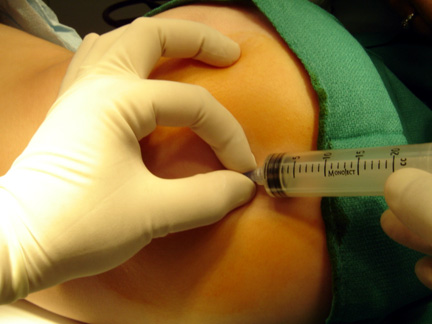
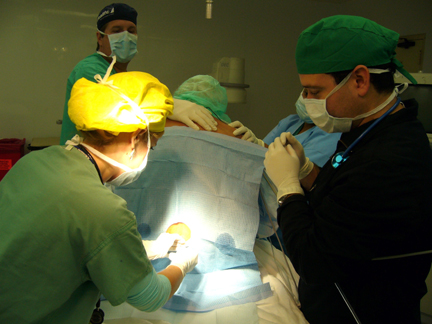
Our clinical scope extends well beyond the administration of spinal or general anesthesia for operative deliveries. We provide a full spectrum of neuraxial techniques, including epidural analgesia, combined spinal-epidural anesthesia, “walking epidural,” and continuous spinal anesthesia for labor. 

In addition to clinical care and training, the Division actively engages in ongoing clinical research in obstetric anesthesia, with faculty and residents collaborating to advance knowledge and improve maternal and neonatal outcomes. 

Trauma

The Trauma Hospital at the University of Puerto Rico Medical Sciences Campus serves as the island’s only Level I Trauma Center, providing around-the-clock care for a high volume of complex trauma cases. Incidents such as motor vehicle collisions, gunshot wounds, and other penetrating injuries occurring at rates exceeding the national average, offer residents extensive hands-on exposure and comprehensive clinical training in trauma anesthesia. 

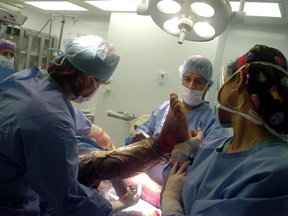
The program encompasses all aspects of perioperative trauma care, including emergency department evaluation and stabilization, intraoperative anesthesia management, postoperative analgesia, and trauma critical care. In the operating room, residents participate in a wide range of trauma surgeries, including the management of burns as well as injuries to the head, spine, chest, abdomen, and extremities, gaining experience across the full spectrum of trauma cases.

Additionally, residents complete a dedicated one-month rotation in the Trauma Intensive Care Unit, further enhancing their proficiency in managing critically injured patients. 

Critical Care

At the University of Puerto Rico Medical Sciences Campus, the intensive care units serve as a central hub for advanced critical care on the island. Equipped with state-of-the-art facilities and supported by a highly skilled multidisciplinary team—including fellowship-trained critical care physicians, specialized nurses, and respiratory therapists. These units manage complex cases across medical, surgical, pediatric, and neonatal disciplines. 

As the principal referral center for the most severe and challenging cases in Puerto Rico, the institution provides an unparalleled environment for developing expertise in the diagnosis, stabilization, and ongoing management of critically ill patients. This setting offers residents the opportunity to work alongside our specialized faculty, gaining proficiency in advanced monitoring, organ support modalities, and evidence-based critical care interventions. 

Critical care anesthesia is a cornerstone of our residency program. Residents participate in a diverse array of intensive care rotations, including medical, surgical, pediatric, neonatal, neurosurgical, and trauma Intensive Care Units across affiliated hospitals. This training offers comprehensive involvement in the continuation of care, from initial assessment in the emergency department or preoperative holding area, through intraoperative management, to postoperative recovery in the Post Anesthesia Care Unit and ICU. 

Our faculty, fellowship-trained and board-certified in critical care medicine, work closely with residents, fostering both clinical excellence and confidence in managing the most complex and critically ill patients. 


Regional Anesthesia Rotation

The Department of Anesthesiology at the University of Puerto Rico Medical Sciences Campus offers a four-week rotation in regional anesthesia, conducted at the main operating rooms of ASEM. This immersive training experience is designed to provide residents with comprehensive exposure to a broad range of peripheral and neuraxial techniques, enhancing both technical proficiency and clinical decision-making. 

During the rotation, residents develop expertise in performing supraclavicular, axillary, infraclavicular, interscalene, femoral, ankle, and popliteal nerve blocks. Training emphasizes the identification of relevant anatomical landmarks, as well as the application of ultrasound and peripheral nerve stimulator guidance to optimize precision and patient safety. Instruction also covers epidural, spinal, and combined spinal-epidural techniques, with concurrent training in the management of conscious sedation as an adjunct to regional anesthesia. 

A strong emphasis is placed on the pharmacology and safe clinical use of local anesthetic agents, as well as the detailed anatomy and procedural applications of peripheral and neuraxial blocks. Residents are encouraged to integrate anatomical knowledge, pharmacologic principles, and surgical context to select the most appropriate block for each procedure. 

By the completion of the rotation, residents are expected to independently determine which techniques are best suited for a given surgical case, select the optimal local anesthetic regimen, and present a clear, evidence-based rationale for their clinical decisions to the attending anesthesiologist. This rotation offers a rich learning environment that prepares trainees to deliver safe, effective, and patient-centered regional anesthesia in diverse clinical settings.